



Bara Seed (African Yam Bean) | Per KG
Bara Seed (African Yam Bean) is a protein-rich legume crop that produces edible seeds and tubers. It improves soil fertility, grows well in tropical climates, and is ideal for sustainable farming and food production.
₦3,500.00
Description
Bara Seed (African Yam Bean) – High Quality Protein-Rich Legume for Sustainable Farming
Bara Seed, commonly known as African Yam Bean, is a nutritious and versatile legume widely cultivated in West Africa. It is valued for its high protein content, soil-improving properties, and adaptability to tropical climates. Bara seeds produce climbing plants that yield both edible seeds and underground tubers, making them an excellent crop for food security and sustainable agriculture.
Bara is an important traditional crop grown by farmers for human consumption, livestock feed, and soil fertility improvement due to its nitrogen-fixing ability. It is suitable for smallholder farms, mixed cropping systems, and commercial cultivation.
Key Features
High Protein Content: Excellent plant-based protein source.
Dual-Purpose Crop: Produces edible seeds and underground tubers.
Soil Fertility Improvement: Fixes nitrogen in the soil, improving productivity.
Climate Adaptable: Thrives in tropical and sub-tropical environments.
Good Storage Ability: Seeds store well for long periods without losing viability.
Agronomic Characteristics
Botanical Name: African Yam Bean
Common Name: Bara Seed
Crop Type: Legume
Growth Habit: Climbing vine
Maturity Period: 5 – 7 months
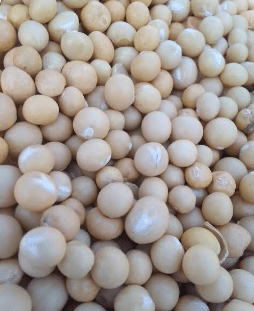
Seed Color: Cream to light brown
Climate Requirement: Warm tropical climate
Soil Requirement: Well-drained loamy or sandy soil
Benefits of Bara Seed
1. Nutritional Value
Bara seeds are rich in protein, carbohydrates, fiber, vitamins, and minerals, making them a valuable food crop for households and food processing industries.
2. Soil Improvement
Like other legumes, bara forms symbiotic relationships with nitrogen-fixing bacteria, which improves soil fertility and reduces the need for chemical fertilizers.
3. Climate Resilience
The crop performs well under low-input farming systems, making it suitable for smallholder farmers in many parts of Africa.
4. Income Generation
Farmers can generate income by selling dry seeds, fresh seeds, or tubers in local markets.
Planting Guide
Planting Season: Early rainy season
Planting Depth: 3 – 5 cm
Spacing: 50 cm × 100 cm
Germination Period: 7 – 14 days
Support Requirement: Stakes or trellis recommended due to climbing growth
Harvesting
Bara seeds are usually harvested 5–7 months after planting when pods are fully mature and dry. Tubers can also be harvested later depending on cultivation practices.
Uses
Human food (boiled seeds, porridge, flour)
Livestock feed
Soil fertility improvement
Crop rotation and intercropping systems
Why Choose Our Bara Seeds?
Carefully selected high-quality seeds
High germination rate
Suitable for commercial farming and home gardens
Ideal for sustainable agriculture and soil restoration

Reviews
Clear filtersThere are no reviews yet.